When your home starts to feel too small or no longer fits your lifestyle, many homeowners face the same question: should you move, or should you add on?
Both options have advantages, but the right choice depends on your goals, budget, neighborhood, and long-term plans. This guide walks through the key factors to help you decide with confidence.
Comparing the Cost of Moving vs a Home Addition
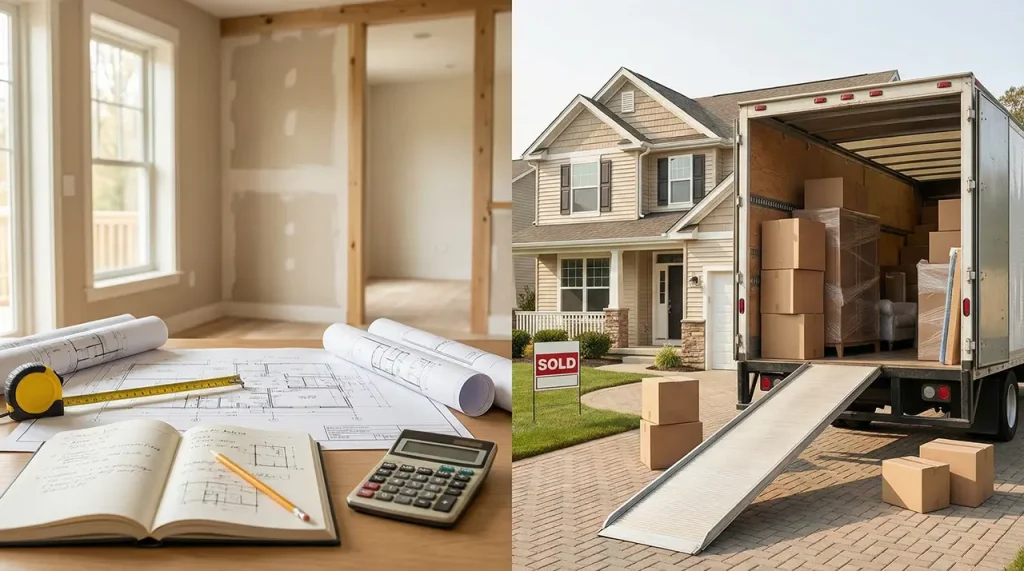
Moving often comes with hidden costs beyond the purchase price of a new home. Between real estate fees, closing costs, inspections, moving expenses, and potential renovations, the total investment can add up quickly.
A home addition may involve:
- Design and construction costs
- Permits and inspections
- Temporary disruption during construction
However, additions allow you to invest directly into your current property rather than paying transaction costs tied to moving.
Location Matters More Than You Think
Many homeowners choose an addition because they love where they live. Proximity to schools, work, community, and neighbors can be difficult to replace.
A home addition allows you to:
- Stay in a familiar neighborhood
- Maintain school districts and routines
- Avoid the stress of relocating
If location is a priority, expanding your current home can be a practical solution.
Designing a Space That Fits Your Life
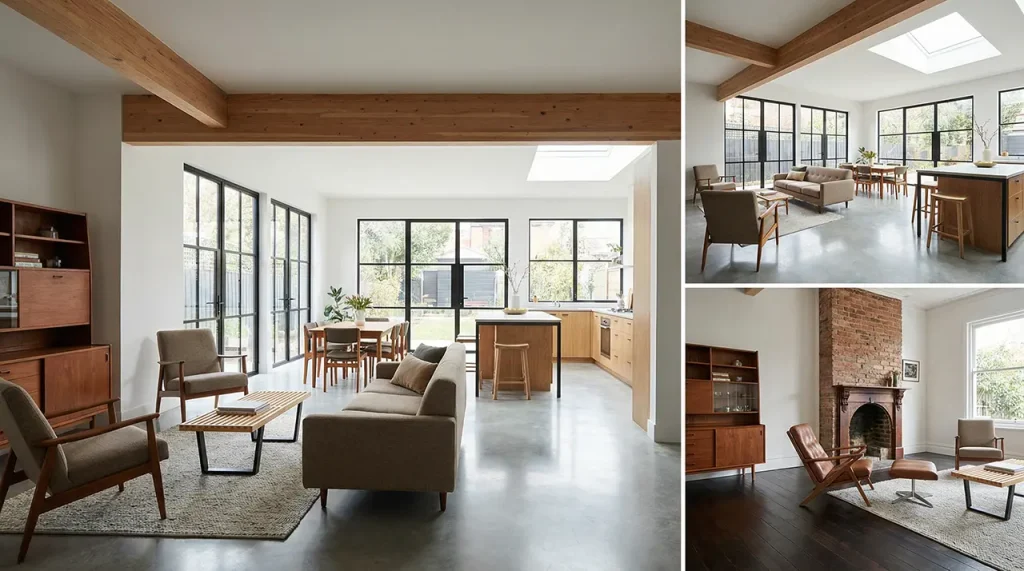
One of the biggest advantages of a home addition is customization. Instead of compromising on an existing home’s layout, an addition allows you to design exactly what you need.
Common addition uses include:
- Extra bedrooms or bathrooms
- Home offices or flex spaces
- Expanded living or family rooms
- Sunrooms or screened-in porches
An addition can be tailored to how you live today—and how you plan to live in the future.
Considering Disruption and Timing
Both moving and remodeling come with disruption. Moving requires packing, logistics, and adjusting to a new space, while a home addition involves construction activity.
A well-planned addition can:
- Minimize disruption through clear scheduling
- Allow you to remain in your home during most of the project
- Be completed in phases when needed
Understanding timelines upfront helps set realistic expectations.
Thinking About Long-Term Investment
A thoughtfully designed home addition can increase both livability and property value. When done with quality materials and proper planning, additions often provide strong long-term returns.
Key factors that impact value include:
- Seamless integration with the existing home
- Functional layouts and timeless design
- Quality craftsmanship and materials
Working with an experienced contractor helps ensure your investment is protected.
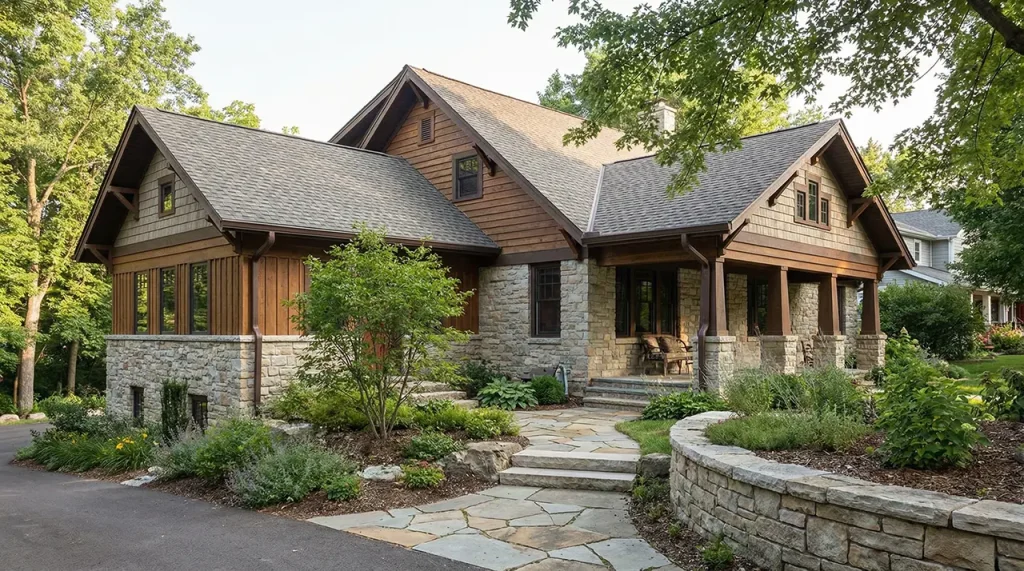
Choosing What’s Right for Your Home
There’s no one-size-fits-all answer. For some homeowners, moving makes sense. For others, a home addition provides the space they need without giving up what they already love.
Evaluating cost, lifestyle, location, and long-term goals will help guide the right decision.